
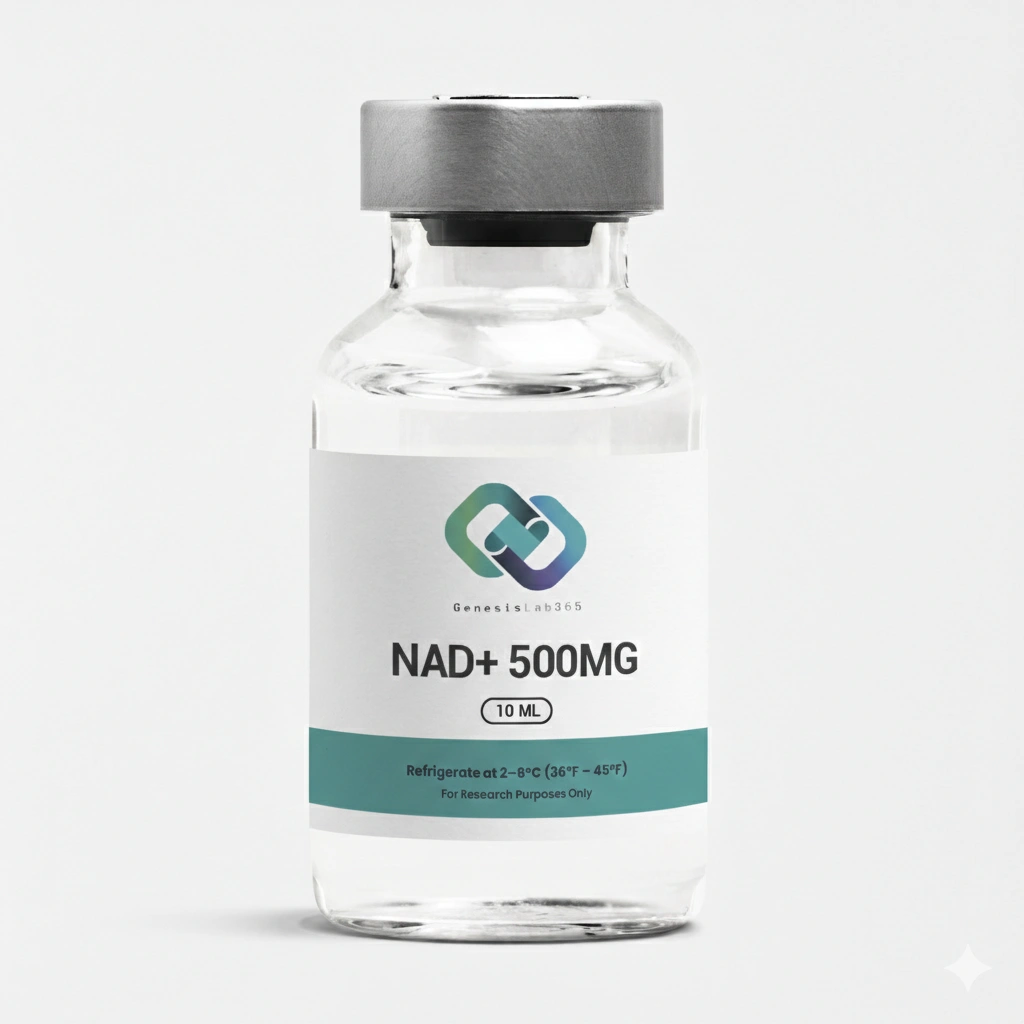

NAD+ – (10mL)
Price range: $80.00 through $145.00
NAD+ is a vital coenzyme studied for its role in cellular energy, DNA repair, and healthy aging. Researchers value it for its potential in metabolism, mitochondrial function, and longevity studies.
NAD+ (Nicotinamide Adenine Dinucleotide) is a naturally occurring coenzyme found in all living cells. It plays a central role in energy metabolism by facilitating the transfer of electrons during cellular respiration. Beyond energy production, NAD+ has been widely studied for its involvement in DNA repair, gene expression, and cellular communication.
Key Research Highlights
- Cellular Energy: NAD+ is essential for converting nutrients into ATP, the body’s primary energy source.
- DNA Repair: Research suggests NAD+ supports enzymes involved in maintaining genomic stability.
- Healthy Aging: Studies explore its role in slowing age‑related decline by supporting mitochondrial function.
- Metabolic Health: Investigated for its potential in improving insulin sensitivity and metabolic balance.
- Neuroprotection: Emerging evidence points to possible benefits in brain health and cognitive function.
Why Researchers Choose NAD+
- Fundamental coenzyme with broad biological importance.
- Widely studied in aging, metabolism, and neurobiology.
- Valuable for exploring longevity, cellular repair, and energy pathways.
Q1: What is NAD+?
NAD+ is a coenzyme found in all living cells, essential for energy production and cellular repair.
Q2: What are the main areas of research interest?
Researchers study NAD+ for metabolism, aging, DNA repair, mitochondrial function, and neuroprotection.
Q3: How does NAD+ influence aging research?
NAD+ levels naturally decline with age, and studies suggest replenishing NAD+ may support healthy aging.
Q4: Is NAD+ naturally produced in the body?
Yes. NAD+ is synthesized from dietary precursors like niacin and tryptophan.
Q5: Is NAD+ approved for medical use?
No. NAD+ in this context is supplied strictly for research purposes and is not approved for therapeutic use.
Related products
Reviews
Clear filtersThere are no reviews yet.